Podcast: Democracy without Politicians with Terry Bouricius
Imagine a courtroom where the jurors ran for office, raised campaign money, and met privately with the prosecution. Terry Bouricius argues that is a fair description of how we make our laws — and that choosing lawmakers by lottery, as Athens did, is one possible fix.

Imagine a courtroom where the jurors ran for office. They raise campaign money. They take private meetings with the prosecution. And how they decide cases determines whether they keep the job tomorrow. Sounds pretty crazy, right?
Terry Bouricius has spent two decades pointing out that this is a fair description of how we make our laws. He would know, after having spent twenty years as an elected lawmaker in Vermont, then a decade at FairVote working to advance ideas like (the very sensible) ranked-choice voting.


But then he had an experience that had him question whether improving elections was the only way to improve democracy. In 2004, he testified before British Columbia’s Citizens’ Assembly — barkeepers, teachers and engineers chosen by lottery to redesign the province’s voting system. They met for months and produced a proposal. “A light bulb went off over my head,” he told me. “Wait a second. This is what democracy looks like.”
The idea of a citizens assembly is, in fact, older than elections or representative democracy. Athenian democracy was rooted in the fact that the council that set the agenda, the juries that made the laws, and nearly every magistrate were chosen by lot — randomly from a pool of qualified citizens. Aristotle considered the lottery democratic and elections oligarchic (consider the makeup of Congress vs. the makeup of the general population); Madison knew that history and chose elections anyway, and was candid about why.
But more and more people and governments are discovering sortition, using groups of randomly selected citizens, as a way to deal with tricky, sometimes intractable problems. Ireland settled same-sex marriage and abortion (issues radioactive to politicians) through randomly selected conventions. Melbourne handed a deadlocked capital budget to 43 taxpayers drawn by lot. Connecticut is running the first statewide citizens’ assembly in the United States right now. Its central virtue is structural: you cannot lobby a jury. With no donors, no primaries, no next race, and no possibility of capture, sortition simply beats elections in terms of security.
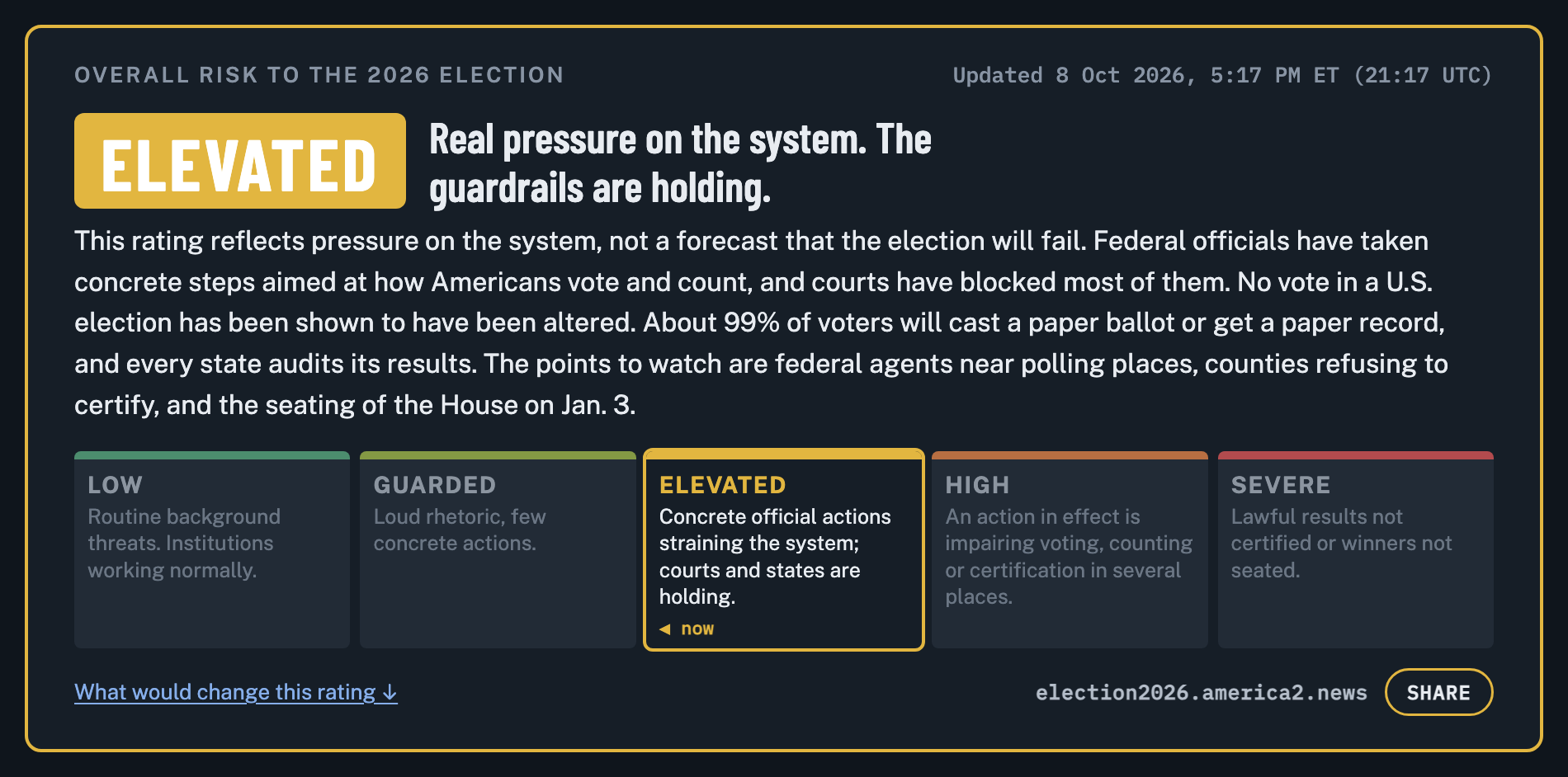
Of course, sortition is not a one-size fits all solution, and elections aren't going anywhere anytime soon, nor should they. And with the midterms coming up soon, it's vital that people continue to have faith in our elections and participate.
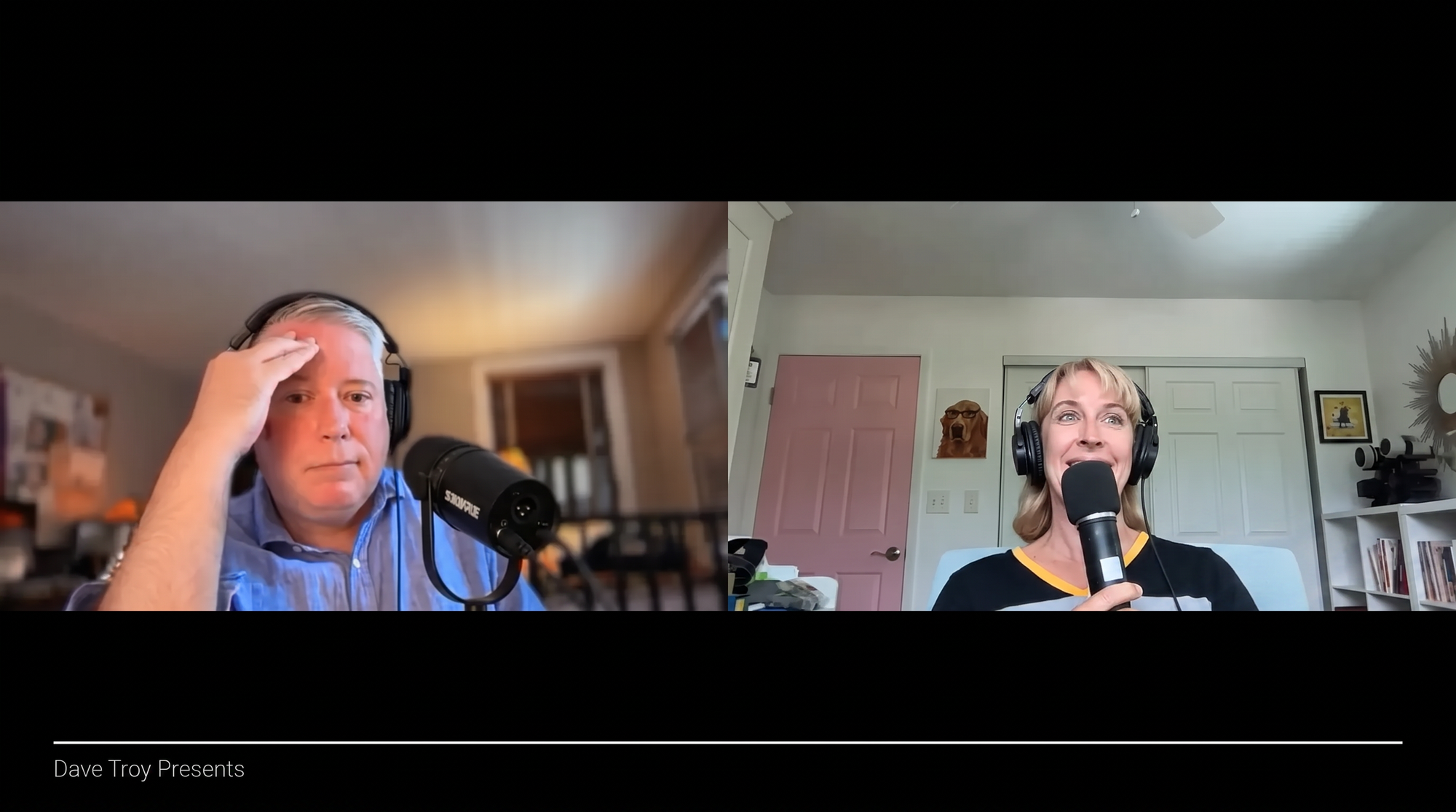
Bouricus discussing the possible failure to seat in January the people we elect in November.
As an expert on elections, Bouricius believes (as I and many other experts do) that US elections are more secure than ever. With paper ballots now in use in over 95% of the country, the opportunity for manipulation is as low as it's ever been. The real danger is that the people we elect in November may not be seated in Congress in January. Lawfare and other unconstitutional shenanigans cannot be ruled out, and we should start preparing now for such scenarios.
Listen: Democracy Without Politicians with Terry Bouricius
His book Democracy Without Politicians: Government By the People (Routledge, 2026) is available for free at democracywithoutpoliticians.org. He points listeners who want somewhere to start to Sortition USA.◼
Additional Suggested Reading
Terry Bouricius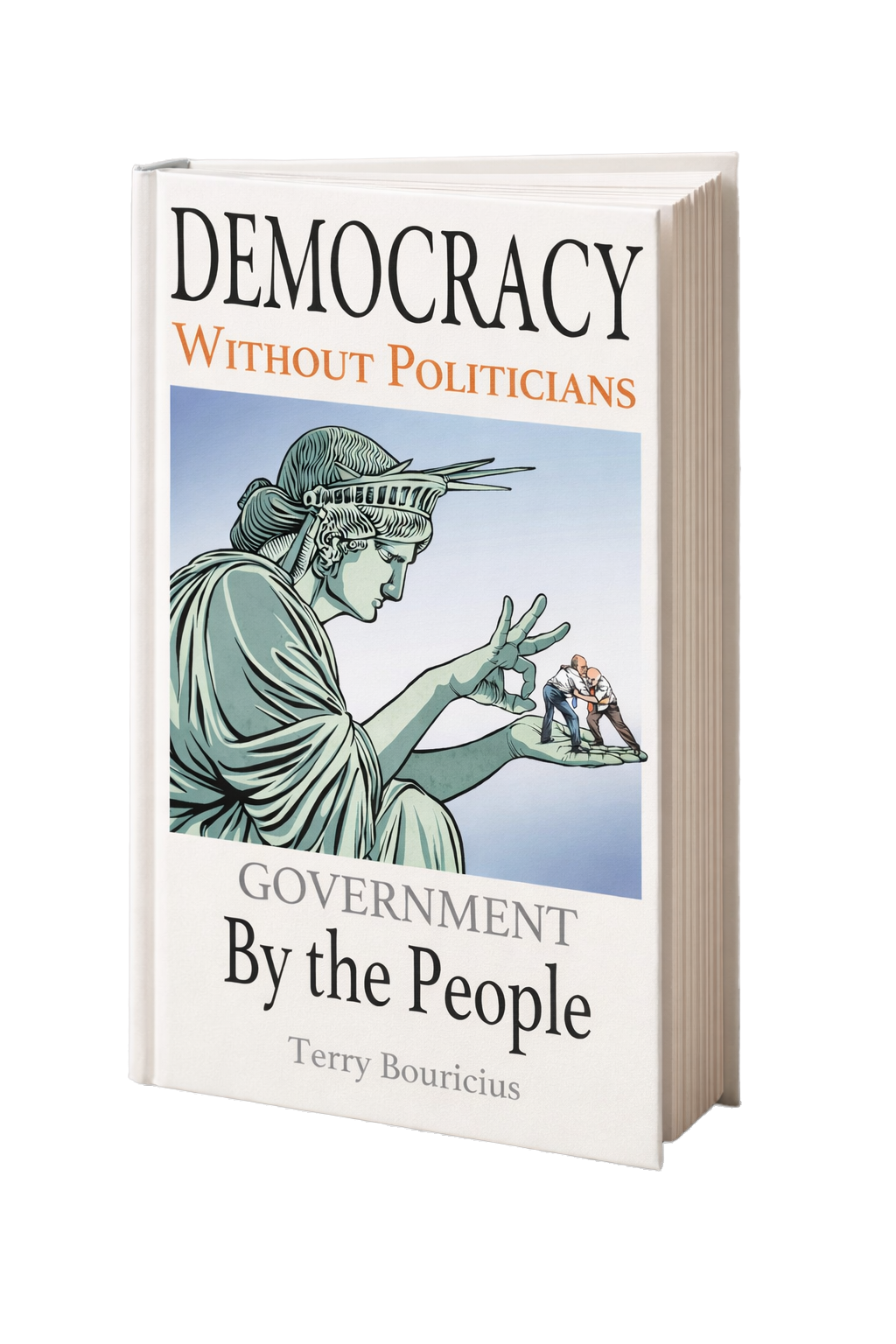 Jessica Huseman
 Jonathan Winer