
Tracking the Irkutsk “Plague“ Report
Reports of a death at a Siberian plague lab set off a global panic. We built a live tracker to separate the evidence from the alarm.
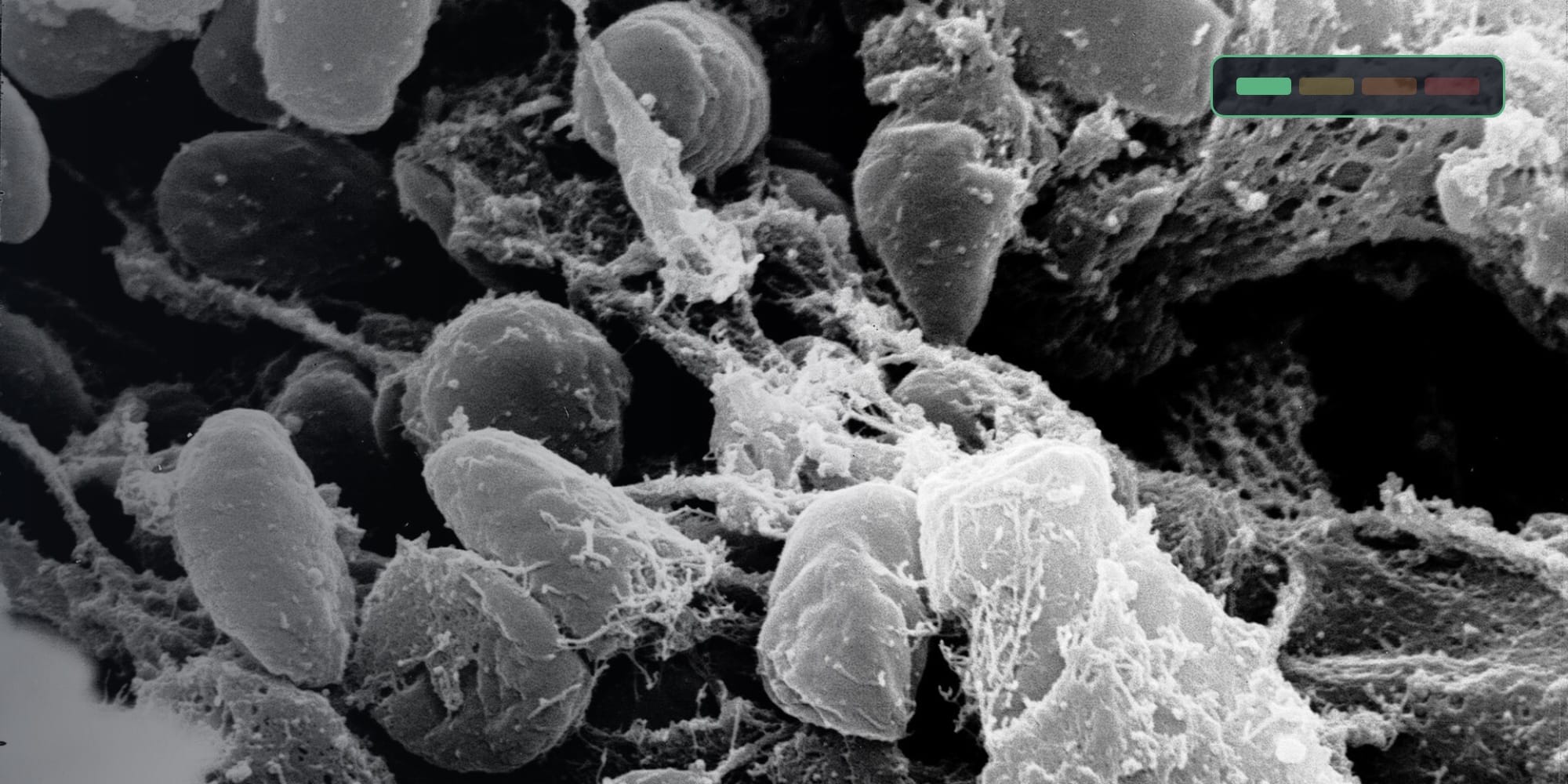
You've seen the stories: Russian media reported that a lab technician at a Siberian anti-plague institute died around October 2. Within days, the story had set off a global wave of alarm, with cable bookings, viral “BREAKING” posts and a White House statement. As of today there is no laboratory confirmation that she had plague, no case outside Russia, and the World Health Organization rates the risk as low. Nearly every alarming detail in circulation, from FSB escorts to “five hospitals quarantined” to a broken test tube, traces back to a single anonymous source inside Russia.
At present, we assess that this story is more about how information spreads and serves the goals of warfare than one about disease itself. So we built a live tracker which we will keep updated as this story either develops further — or, in our estimation right now — burns out.

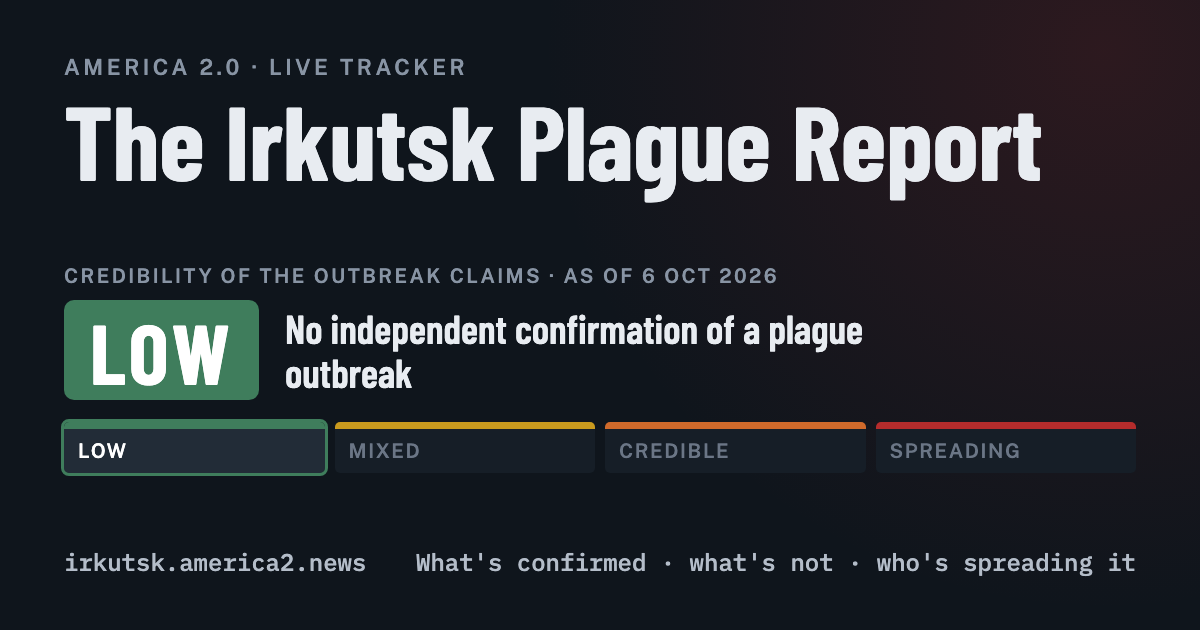
It rates the credibility of the outbreak claims, and spells out exactly what would change that rating: a case in Mongolia, action by WHO, flight or border closures. It checks the most viral claims against the record and shows how the story moved from Russian Telegram channels to Western television.
And we map out who is amplifying the story and why, including author Annie Jacobsen (her track record and credibility has been called into question for over twenty years), whose new book about an engineered plague escaping a Russian lab has become the frame for much of the coverage.
Russia has every reason to let fear travel abroad while it denies everything at home. A real but murky death generates ideal raw material for information warfare, with different payloads to different audiences: signals of calm and control to the domestic population; anxiety and concern projected into Western democracies; and diplomatic cooperation and reason directed towards peer governments.
Our tracker updates as new reporting comes in. If the evidence changes, our rating will too. Stay tuned, and please share this tool with others. ◼