The Unraveling of Donald Trump
Donald Trump has seemingly permanently fractured the fragile coalition that brought him into power. Is MAGA effectively dead?
In the weeks since Donald Trump's assault on Iran, it has been difficult to extract a clear signal about what is happening and where things are heading. I've reached out to experts across the spectrum — former government officials, Iran experts, and my regular network of well-connected analysts.
Overwhelmingly, the thread that has connected these conversations was the sense that there are too many geopolitical factors in play to get a sense of where things may be headed. No one really has any idea, and anyone who says they do is probably making it up.
However, there are many discussion points that, taken together, contain some ground truth. Here's a list of the better insights I've encountered with respect to the present moment, especially regarding Trump's actions toward Iran:
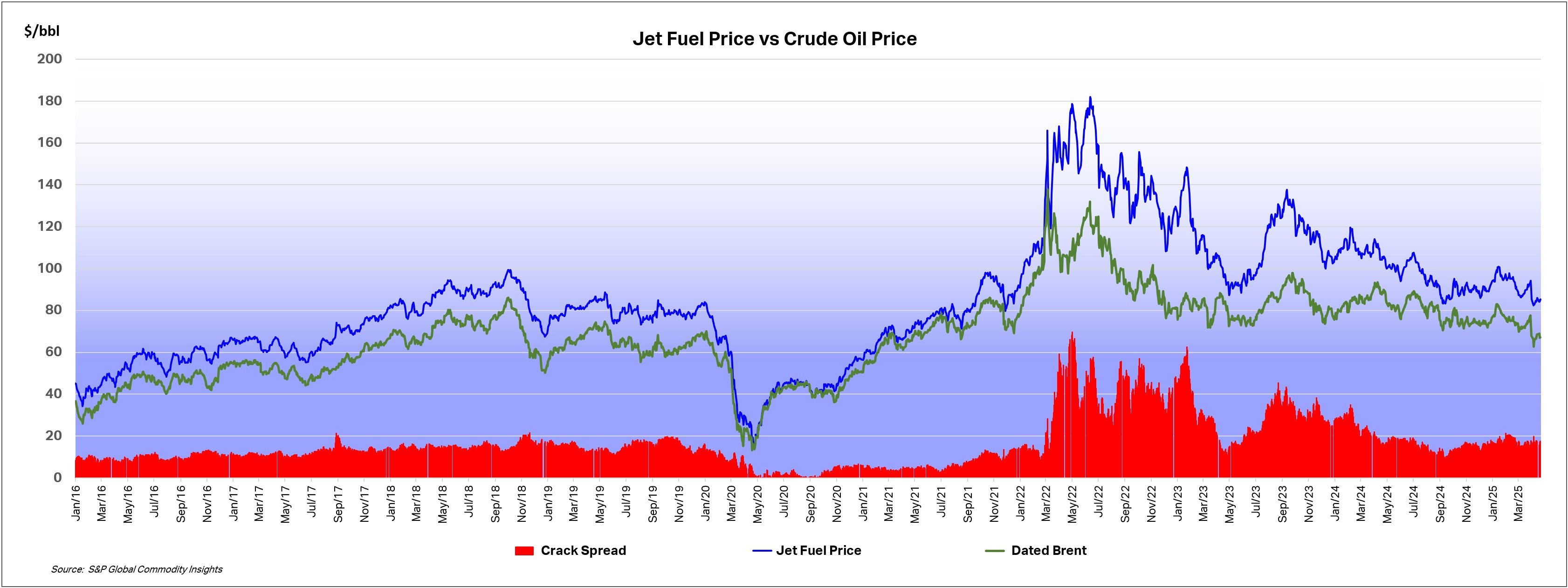
- Impending oil shortage and travel crunch. With analysts — including the IEA's Fatih Birol — warning that Europe could run out of “Jet A” aircraft fuel as soon as May, this would have an outsized impact on tourism and business travel. If it extends into the busy summer travel season, it will send flight prices soaring and shift vacations closer to home. Europe imports 30–40% of its jet fuel, at least half from the Middle East.
- Putin as antagonist. The Kremlin seems displeased with Trump's decision to attack Iran; regular proxy channels like Tucker Carlson and Alex Jones have denounced him in droves. Russia has also been supplying intelligence to Iran to assist with targeting U.S. military assets — fighting the United States military by proxy.
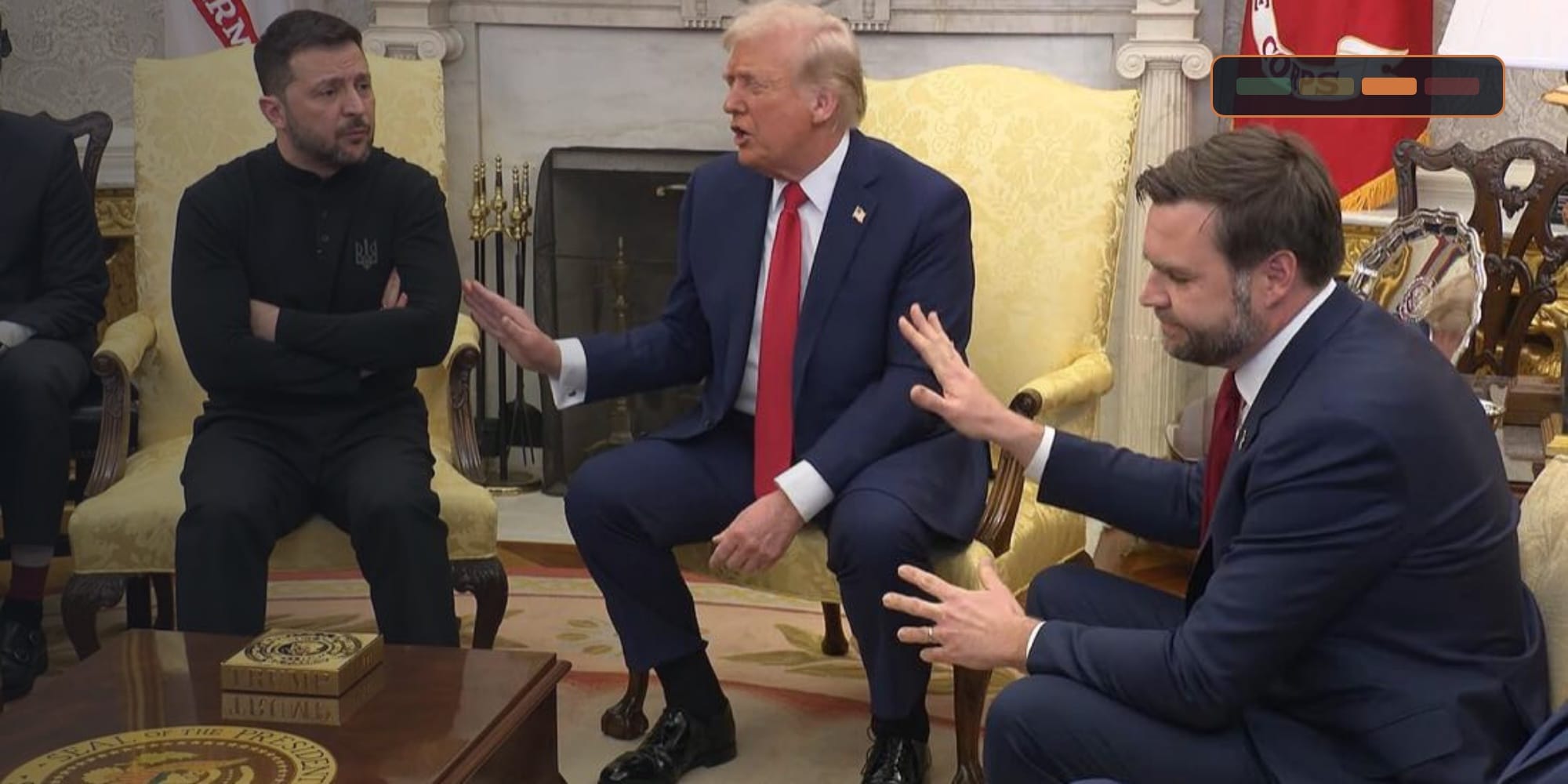
- Putin as benefactor. With Trump now facing approval ratings as low as 37%, he is boxed in by his campaign promise of delivering lower gas prices. In a weak bid to make that happen, he has repeatedly lifted sanctions on Russian oil in order to increase supply. This obviously benefits Putin, and with the price of oil soaring, Ukrainian president Volodymyr Zelensky estimated that Russia has generated a new windfall of at least $10 billion — money he desperately needs to fuel his war in Ukraine.
- Threat to the petrodollar. To the extent Iran can use its on-again-off-again control of the Strait of Hormuz to cut deals for oil (or passage) denominated in Russian rubles, Chinese yuan, or even cryptocurrency, the situation poses an emerging threat to the U.S. dollar and the petrodollar economy that has provided liquidity to the global economy for the last several decades.
- Pretext for NATO exit and legitimization of the “Board of Peace.” Trump has used his war of choice against Iran as a pretext for renewed discussion about withdrawal from NATO. He has also taken the opportunity to — some say illegally — direct $1.25 billion in State Department funds to his Board of Peace, several members of which, especially Pakistan and Egypt, have taken on enhanced roles in negotiations with Iran. And the United Nations seems to be all but absent from discussion.
- Trump's nuclear proliferation and Iran obsessions from the 1980s. In 1985, Trump told writer Ron Rosenbaum that he intended to team up with the Soviet Union to “go in and clean out” emerging nuclear programs as a defense against proliferation. Trump also went on the record in 1988 saying he would “do a number on Kharg Island” — home to Iran's energy transport infrastructure near the Strait of Hormuz — in order to dominate an enemy nation. As Trump's ideas about the world were formed in the 1970s and 1980s (and from influences like his father and his uncle John G. Trump, who famously schooled him about nuclear issues), it's not surprising these old obsessions still motivate him today.
- Iran's nuclear program may mostly be in North Korea. Iran has been cooperating with North Korea on missile development for at least twenty years, a fact easily confirmed with open-source reporting. People familiar with the matter have suggested to me that the ongoing collaboration between Russia, North Korea, and Iran is why North Korea's missile program has advanced steadily over the last decade in particular. Some analysts also claim that Russia seized rocket-motor technology tied to Ukraine's Yuzhmash plant during their 2014 invasion — and that material was subsequently sent to North Korea, rapidly advancing its missile progress. If, in fact, the bulk of Iran's missile research has been run from North Korea, it's unclear whether the Trump–Netanyahu assaults on Iran have made any significant impact.
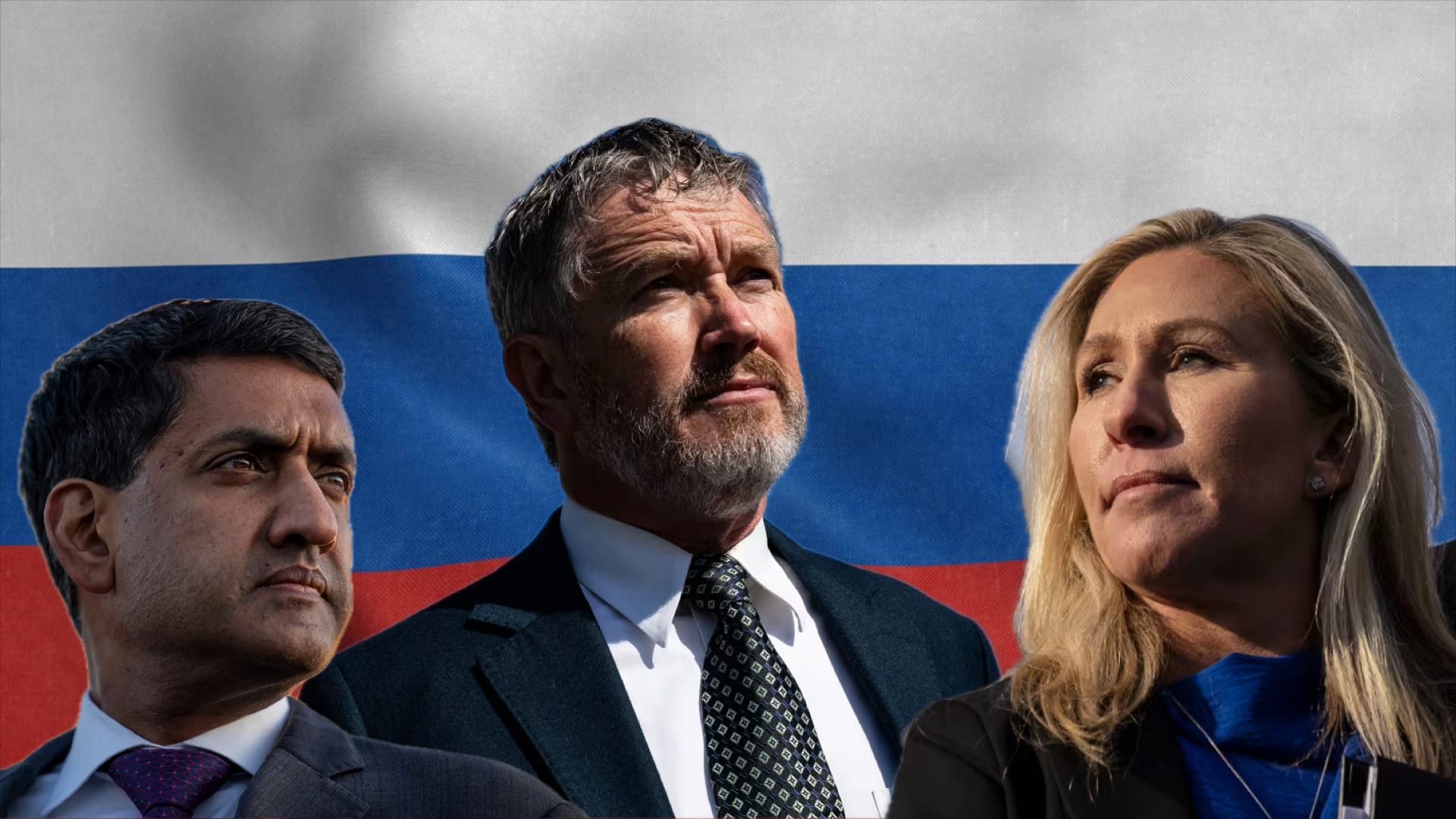
- The MAGA vs. America First schism is now irreparable. The Kremlin has been cultivating anti-war and libertarian, anti-tax factions on both the left and the right for decades. While Trump's MAGA arm advertised itself as anti-war and isolationist during his first term and throughout the 2024 campaign, it's now quite clear that Trump is unafraid to exercise military force in multiple contexts simultaneously in pursuit of a reshaping of the global order. As we have reported previously, Thomas Massie, Ro Khanna, and Marjorie Taylor Greene form the tip of the spear for this new “America First” left-right coalition, and it's now rapidly pulling in a wide range of influencers as diverse as Hasan Piker, Tucker Carlson, and Alex Jones.
- The 2026 midterms are still too chaotic to analyze. With the entire House of Representatives and 33 Senate seats up for election, any attempts to analyze outcomes this early are probably futile. We also may be dealing with the aftermath of terrorist or military attacks, or other chaos like ICE at polling places. While it's wise to expect and protect against a range of possibilities, the fact is we won't know what context we're operating in until we are much closer to the event. The recent rejection of Viktor Orbán (despite J.D. Vance's attempts to assist him) along with Trump's low approval ratings could be a bellwether for what happens here — even as Hungary must still overcome many hurdles to restore its democracy.
- Other domestic chaos. The current government shutdown (and the threat of future repeats), uncertainty at the Federal Reserve (firing Jay Powell and replacing him with Kevin Warsh), the possibility of sustained high fuel prices — all of these create additional uncertainty. The fact that both the MAGA and America First factions are targeting the Federal Reserve does not bode well — Trump wants to control it, Massie wants to eliminate it — and suggests the dollar is in for a rough ride. We may move from “affordability” as a campaign watchword to more fundamental questions about the future of the dollar itself.
- Convergence of religion, UFOlogy, and tech fascism. As we have previously reported, Project Russia is a set of books produced in the Kremlin's orbit designed to take down the “decadent West” and its false promise of democracy. It advances the concept of “religion as moral shield,” and over the last two years we have seen an increased emergence of religious overtones among influencers such as Russell Brand, Tucker Carlson, and Anna Paulina Luna. We are also seeing overlap with the UFOlogy subculture and the tech-fascism crowd — J.D. Vance, in particular, is an avatar of all three. While these factors may be emergent, drawing from Armageddon narratives and other religious strains, the convergence at this moment is striking. One doesn't need to believe in any of this stuff — indeed, it's nonsense — but the fact that people in the public and private sector profess belief should give us all pause. Stupid ideas lead to stupid actions.
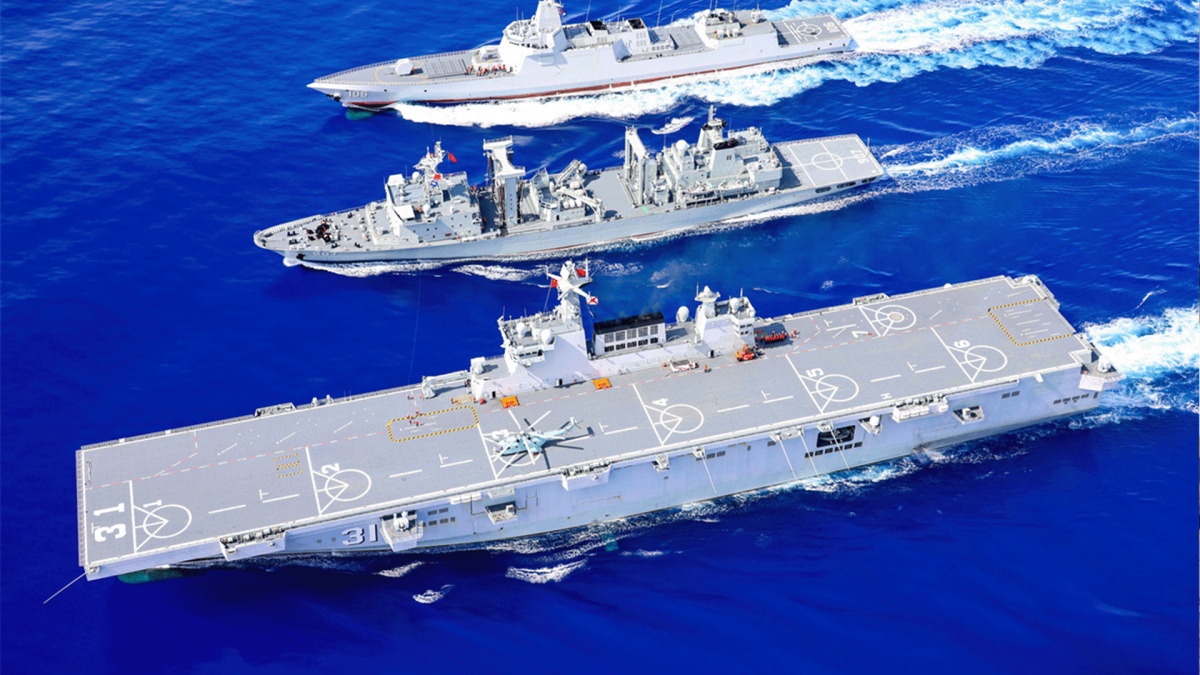
- China's “People's War” against the United States. The Pentagon reported earlier this year that China has launched a “people's war” (or, in Pentagon terms, “national total war”) against the United States. Similar to Project Russia, it encourages a whole-population approach to warfare. While China is unlikely to seek a shooting war with the U.S., turning the population against American interests could have serious long-term effects.
Lastly, the question that comes up all too often: “Is Trump (or Israel) going to use a nuke against Iran?” We'd better hope not. While he is likely to wield such threats in the name of coercion or extracting concessions, such a step would take us into terrain we are simply unprepared to navigate.
There is no point in trying to predict Donald Trump's demise; he has proven adaptable and fluid, again and again. But his Iran adventure (coming as it does with a partnership with Netanyahu) has put him into a position where he must sacrifice the coalition that has kept him in power. Unless he can wind things down in Iran and repair his coalition, the “America First” faction will have substantial momentum heading into November.
What that means is anyone's guess, but it seems clear we are moving into a new American moment. ◼
Additional Suggested Reading
 Alexander Kolyandr
 Kyle Gunn
 Volodymyr Zelenskyi
 Luke Munn
 Dave Troy
 Ron Rosenbaum
 Vittoria Elliott